If there's one part of buying a yacht I'd never let a client skip, it's the survey. Photos and a beautiful listing tell you how a boat looks. The survey tells you how she actually is.
Here's what happens on survey day, who does what, and how to use the results.
What a pre-purchase survey is
A pre-purchase survey is a very comprehensive Condition and Valuation (C&V) survey. The American Boat & Yacht Council (ABYC) describes it as an inspection that often includes operational testing of all systems and equipment as well as a sea trial, with the main purpose of giving you the information you need to make an informed decision. Lenders and insurers frequently use the same report.
A good report covers the vessel's condition in general and in detail, makes recommendations for repairs or corrections, and gives an opinion of fair market value.
Choosing the right surveyor
Marine surveyors aren't licensed by the government, so the industry relies on two professional bodies: the Society of Accredited Marine Surveyors (SAMS) and the National Association of Marine Surveyors (NAMS). Both require experience, an exam and continuing education for their accredited or certified members, and both have codes of ethics.
Many insurance companies and banks require a surveyor credentialed by one of them, so check with yours before you book. Beyond credentials, I look for someone who knows the type of yacht you're buying. A surveyor who sees a lot of modern Italian sport yachts will spot different things than one who mostly surveys center consoles.
Remember: the surveyor works for you, the buyer. As your broker I'll help with scheduling and access, but the report and the relationship are yours.
Survey day: in the water, out of the water, and underway
BoatUS notes that most standard pre-purchase surveys involve three things, not necessarily in this order:
- In-water inspection: hull, deck, structure, systems, electrical, plumbing, safety gear, electronics and the inventory that conveys with the boat.
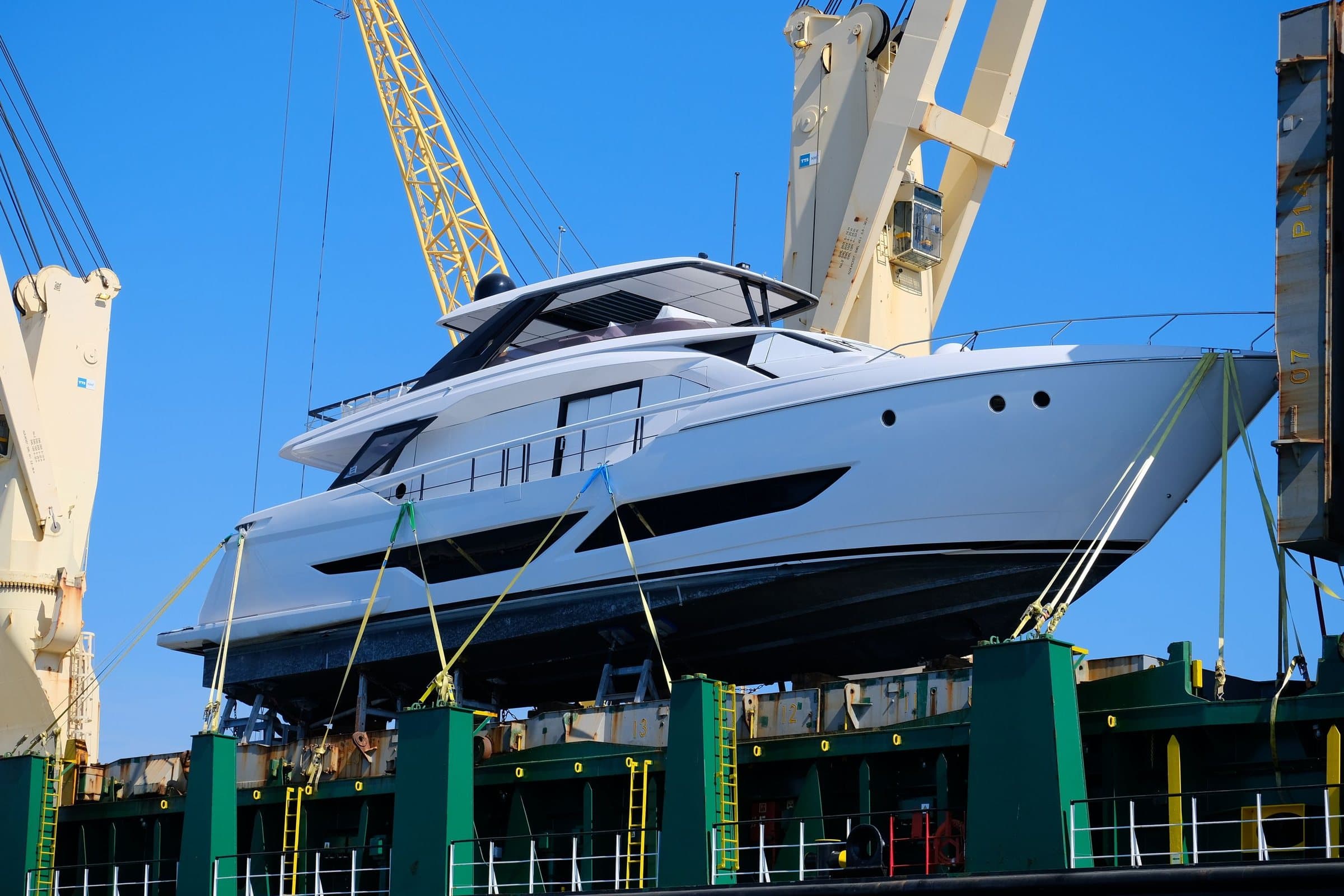
- Haul-out: a short haul at a yard so the surveyor can inspect the bottom, running gear, rudders, through-hulls and anodes. A survey haul is usually brief.
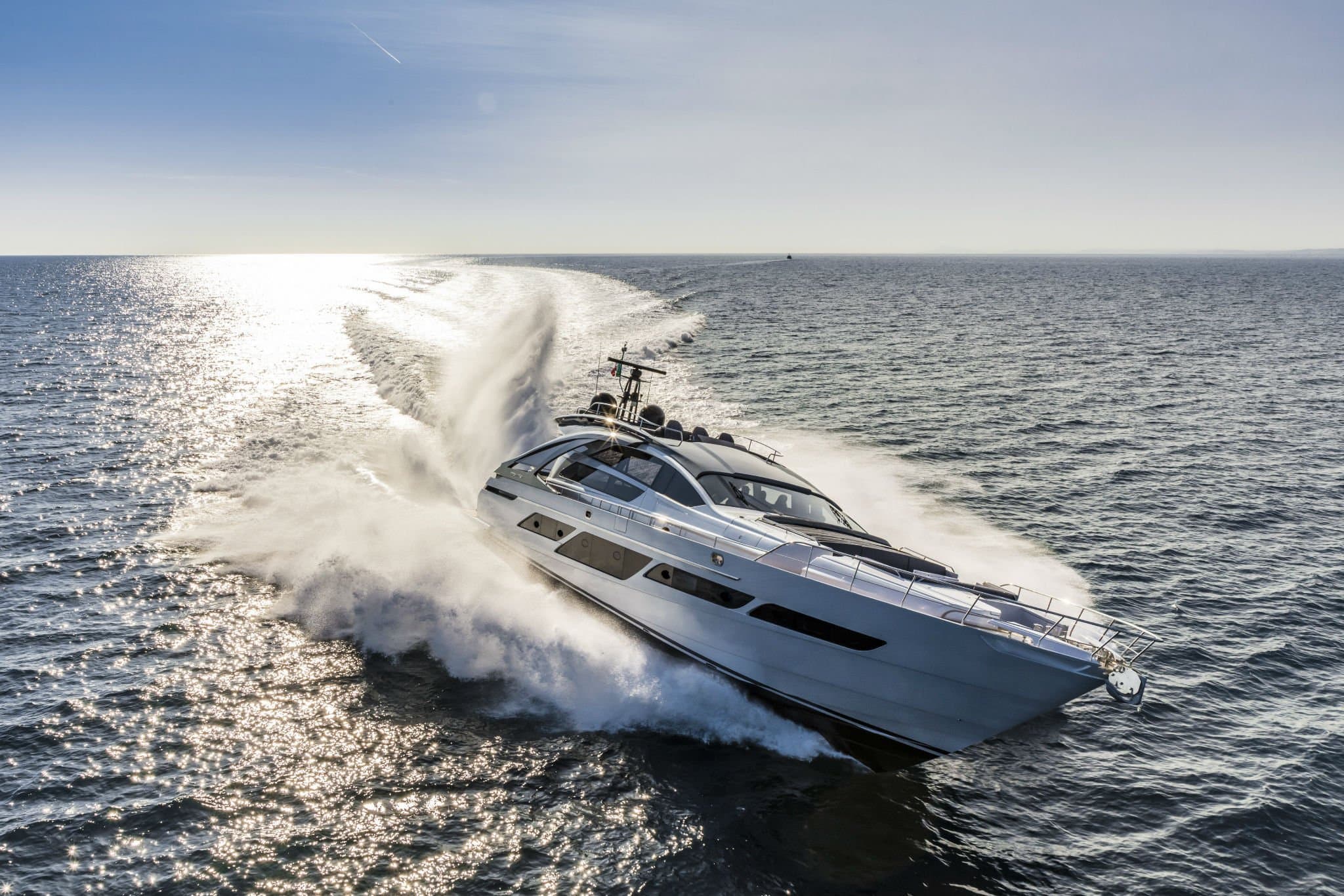
- Sea trial: running the yacht under real conditions to check performance, engine temperatures and pressures, steering, stabilizers, and whether everything behaves at speed.
Under the standard YBAA purchase agreement, the seller makes the yacht available and is responsible for operating her during the trial run, and the seller can choose which yard she's hauled at. The buyer pays the direct survey costs, including returning the vessel to the condition it was in before the survey.
Engines and generators
On a motor yacht the machinery is a big part of the value, so many buyers hire a separate engine surveyor or factory-authorized technician. They review service records and hour meters, and often take oil samples for laboratory analysis.
One note on engine hours: hours are read per engine. A twin-engine yacht with 570 hours on each engine has 570 engine hours, not 1,140. That's how I list boats on this site, and it's how you should compare them.
How to prepare as a buyer
Plan to be there on survey day if you can. Walking through the yacht with the surveyor is the best education you'll get about the boat you're buying, and you'll see the findings in context rather than just reading them later.
Before the day, share with your surveyor what you plan to do with the yacht (coastal day trips, Bahamas crossings, summers in the Northeast) so they can focus on what matters for that use. Ask the seller's side, through me, for maintenance records, prior survey reports if available, and any warranty paperwork. Confirm who is running the boat, the haul-out time at the yard, and fuel levels for the sea trial, so nothing on the day is left to chance.
Weather matters too. A sea trial in flat calm tells you less about how a yacht handles than a trial in typical conditions, so we schedule with the forecast in mind.
Reading the report and what comes next
Expect a written report with photos, findings and recommendations. Read it carefully, more than once, and call the surveyor with any questions. Findings usually fall into three groups: safety items that must be addressed, items that need attention soon, and routine maintenance or cosmetic notes.
From there you can accept the yacht, renegotiate on price or repairs, or reject her before the acceptance date in your agreement. My job is to help you separate genuine issues from normal wear and take a fair, well-supported position with the seller.
Common questions
›Who pays for the yacht survey and haul-out?
Under the standard YBAA purchase and sale agreement the buyer hires the surveyor and pays the direct costs of the survey, including the haul-out and returning the yacht to its prior condition. The seller is responsible for making the yacht available and operating her during the sea trial unless agreed otherwise.
›Does my surveyor need to be SAMS or NAMS?
There's no government license for marine surveyors, but many insurers and lenders require a surveyor credentialed by SAMS or NAMS. Check your insurer's and lender's requirements before booking.
›Can I renegotiate after the survey?
Yes. Before the acceptance date you can accept the yacht, renegotiate based on the survey findings, or reject it. If written acceptance isn't given by the acceptance date, the standard YBAA agreement treats the yacht as rejected.